The Evolving Geopolitical Undercurrents Shaping Bilateral Dynamics: Pakistan and Afghanistan Resume Talks Amid Tensions
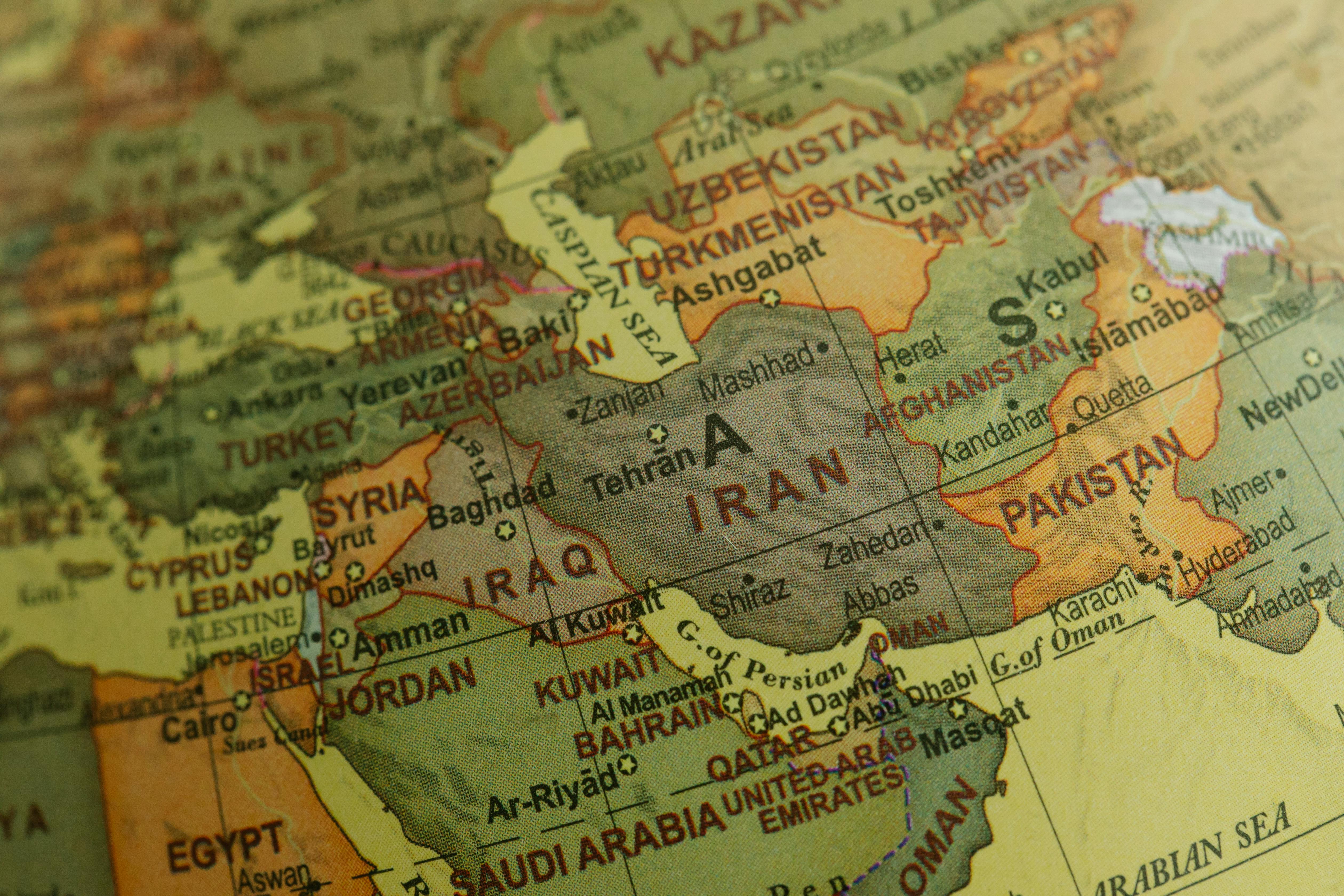
The agreement between Islamabad and Kabul to resume high-stakes talks in Istanbul, brokered by regional mediators, marks a crucial, yet precarious, diplomatic pivot point following a period of intense military confrontation. As of October 31, 2025, the shared exhaustion from the most severe border clashes witnessed since the Taliban’s return to power in 2021 appears to have momentarily superseded the deep-seated mistrust that characterizes the relationship between Afghanistan and Pakistan. This renewed diplomatic endeavor is not occurring in a vacuum; it is profoundly shaped by subtle yet significant shifts in the broader geopolitical alignment of South and Central Asia, where internal security dynamics are inextricably linked to external patronage and economic necessity.
The Evolving Geopolitical Undercurrents Shaping Bilateral Dynamics
The diplomatic maneuvering in late October 2025 is best understood against a backdrop of evolving regional calculations. The friction that erupted into exchanges of fire earlier in the month highlighted the high stakes involved, compelling external actors to intervene rapidly. The manner in which both nations are simultaneously managing their security conflicts and pursuing international partnerships is defining the constraints and incentives influencing their negotiating positions at the table.
The Influence of Regional Partners on Diplomatic Pathways
The immediate cessation of hostilities in October was a direct consequence of coordinated international efforts, underscoring the dependency of bilateral stability on external guarantors. The swift and effective intervention by Turkey and Qatar to broker an immediate ceasefire and facilitate the continuation of talks in Istanbul was a testament to their perceived influence over both Islamabad and Kabul. This mediation group recognized that the stability of the Durand Line frontier is a critical variable in the wider South-Central Asian security matrix.
Beyond these direct mediators, the calculus of the crisis was noticeably complicated by simultaneous diplomatic movements by the Afghan administration. The fact that the initial Pakistani airstrikes in October were launched while a senior Afghan official was engaged in significant diplomatic outreach to New Delhi introduced a calculated element of strategic signaling into the crisis. This action suggested that the governing structure in Kabul was actively exploring and cultivating alternative high-level partnerships to counterbalance perceived unilateral pressure from Islamabad.
Furthermore, the regional equation is significantly altered by recent high-level security arrangements involving Pakistan. The signing of the Strategic Mutual Defence Agreement (SMDA) between Pakistan and Saudi Arabia on September 17, 2025, represents a substantial development. This binding military partnership, which stipulates that aggression against one signatory is considered an aggression against both, has emboldened Pakistani security planning and redefined a segment of regional power projection. As both nations navigate shifting allegiances in the Gulf and the broader Middle East, this new pact factors heavily into the background assessment of Pakistan’s negotiating leverage.
Shifts in Afghanistan’s International Posture and Economic Outreach
A compelling feature accompanying the recent security escalation was the visible and accelerated effort by the Afghan governing structure to achieve deeper regional economic integration, specifically courting nations like India and the United Arab Emirates (UAE). This perceived diplomatic realignment is seen by analysts as a necessary, perhaps existential, strategy to alleviate the severe economic burden imposed by protracted international sanctions and diplomatic isolation.
By actively seeking new avenues for investment, trade, and external legitimacy, the administration in Kabul appears intent on diversifying its external dependencies, thereby reducing its vulnerability to singular pressures from its immediate neighbor, Pakistan. Tangible markers of this economic pivot have been observed in the aviation sector. For instance, Etihad Airways announced in October 2025 that it will commence direct, thrice-weekly flights between Abu Dhabi and Kabul starting December 18, 2025, a move aimed at fostering trade, tourism, and serving the large Afghan diaspora in the UAE. Similarly, Air Arabia has also launched services from Sharjah, with officials projecting a significant drop of approximately 40 percent in one-way ticket costs between the UAE and Kabul. These developments suggest a pragmatic, dual-track approach: engaging in intense security confrontation with one neighbor while simultaneously solidifying economic lifelines with others.
This economic engagement coincides with India’s decision to upgrade its technical mission in Kabul to a full-fledged embassy following the visit of Afghanistan’s Foreign Minister, Amir Khan Muttaqi, in the second week of October 2025. This strategic recalibration by Kabul—leveraging traditional ties to secure developmental assistance and diplomatic space—defines the complex diplomatic challenge currently facing the frontier, as it directly challenges Islamabad’s historical notion of Afghanistan as its exclusive sphere of influence.
Historical Contextualizing: The Contested Line and Legacy of Distrust
To fully appreciate the gravity and volatility of the current diplomatic efforts, one must grasp that the relationship between Afghanistan and Pakistan is not merely strained; it is historically fraught, built upon contested foundational elements and decades of security entanglement. The recent crisis is less an anomaly and more an intense resurgence of chronic underlying tensions that have defined their interactions since the partition of the subcontinent in 1947.
The Enduring Significance of the Demarcation Dispute
Central to the perpetual tension is the approximately two thousand six hundred kilometer (1,640-mile) boundary that separates the two nations. Known unequivocally as the Durand Line, this demarcation remains a highly contentious issue for Kabul, which has historically refused to grant it full, formal recognition as an international border. The line was established in 1893 as an administrative demarcation of spheres of influence between British India and the Emirate of Afghanistan, named for the British diplomat who negotiated the agreement with Emir Abdur Rahman Khan.
The very geography of the region—characterized by rugged, mountainous terrain and a complex tapestry of tribal and ethnic settlements, particularly the Pashtun heartland, that straddle the line—makes effective border control exceptionally difficult for any centralized authority. This geographic reality feeds a self-perpetuating security dilemma: any unilateral enforcement action by one side is immediately perceived by the other as an encroachment upon sovereignty, thereby instantly escalating localized skirmishes into a matter of national integrity and triggering cyclical violence. Upon Pakistan’s creation in 1947, it inherited this agreement, yet Afghanistan’s non-recognition persists, famously leading the nation to vote against Pakistan’s UN membership that year. The line, for Islamabad, is a fixed international boundary; for Kabul, it remains, at best, hypothetical.
Patterns of Conflict and Periods of Relative Calm Since the Change of Governance
The present, intense escalation in October 2025 must be viewed within the context of the post-August 2021 security environment, which has been characterized by a pattern of periodic, hardening conflict rather than sustained peace. The supposed strategic alignment of the Taliban leadership with Pakistan post-2021 rapidly eroded as Islamabad’s central demand—the elimination of cross-border militancy emanating from TTP safe havens—went unmet.
This pattern of escalatory kinetic exchanges has distinct markers:
This history suggests that periods of relative quiet are not resolutions but merely intervals for re-arming, political recalibration, and strategic maneuvering by both sides, making the current diplomatic push exceptionally fragile given the recent violence.
Frameworks for Future Peace: The Mechanism for Ceasefire Enforcement
The immediate objective of the Istanbul talks, which convened from October 25–30, 2025, was to transition the successful, though tenuous, ad hoc truce—initially signed in Doha on October 19, 2025—into a durable, mutually enforceable arrangement. The success of this extended dialogue hinges entirely on defining concrete, verifiable steps to prevent future unilateral violations of the understood terms of engagement.
Terms of De-escalation: Commitments to Refrain from Further Hostilities
The initial success in securing the October 19th ceasefire, despite reports of residual clashes during the early days of the Istanbul meetings, successfully created the necessary political breathing room for the renewed diplomatic push. The core commitment, reaffirmed across multiple statements facilitated by the Turkish-Qatari joint secretariat, involved a mutual pledge by both entities to cease all targeting of the other’s security forces, civilian populations, and essential national infrastructure.
This cessation of hostilities carried specific, implicit requirements:
Maintaining this basic cessation of aggressive action remains the essential, non-negotiable first step toward addressing the deeper, structural issues that perpetually fuel the conflict along the frontier.
Establishing Accountability: The Proposed Monitoring and Verification Structure
A key procedural advancement reported following the Istanbul discussions was the agreement in principle to establish a formal, joint mechanism for oversight. This structure is specifically designed to move beyond mere verbal assurances by embedding an accountability framework into the peace process. The parties formally agreed to establish a “monitoring and verification mechanism” intended to ensure the sustained maintenance of the peace.
Crucially, this proposed framework includes forward-looking provisions for “imposing penalty on the violating party”. The inclusion of a penalty clause signifies a potentially significant attempt to create tangible deterrence against opportunistic breaches of the truce, aiming to transform any potential violation from a low-risk tactical move into a calculated political liability for the transgressing side. The operational details of this mechanism were slated for finalization at the principal-level meeting scheduled in Istanbul for the beginning of November, representing the next crucial benchmark in the process of stabilizing the volatile frontier.
Forward Trajectory: Prospects for Sustainable Resolution and Diplomatic Endurance
The resumption of dialogue in late October 2025, occurring under intense international scrutiny and following a period of measurable, lethal violence, represents a moment of high opportunity coupled with inherent fragility. The path forward is inescapably laden with the historical baggage of mutual suspicion, the immediate political demands of national security doctrine in both capitals, and the complex interplay of shifting regional power dynamics.
The immediate future hinges on the effective implementation of the extended ceasefire and the successful establishment of the joint oversight body. Should the monitoring mechanism function as intended—with clear, agreed-upon penalties for transgression—it could incrementally rebuild the trust that the October clashes severely eroded. This, in turn, could permit deeper, more substantive discussions on the core structural issue: the reality and remediation of militant sanctuaries along the border.
A cautiously optimistic view is presented by a source close to the Afghan delegation, suggesting that many foundational issues have already been resolved peacefully in prior rounds, with only a few particularly difficult demands remaining. This suggests that a breakthrough remains possible, provided these intractable demands can be managed through sustained, incremental negotiation rather than being treated as preconditions for ultimatum. However, the enduring volatility of the region—exacerbated by internal security challenges within both states, such as Pakistan’s ongoing refugee repatriation drive, and the external geopolitical currents—means that this diplomatic effort remains acutely fragile.
The coming weeks, leading up to the scheduled principal-level meeting in early November, will serve as the true crucible. The essential question is whether the shared exhaustion from border conflict is potent enough to forge a commitment to lasting peace based on mutual respect, the principle of non-interference, and the recognition that security for one state cannot be purchased effectively at the systemic expense of the other. The continued, constructive engagement of regional powers like Turkey and Qatar will remain indispensable in ensuring that this latest pivot towards negotiation does not once again devolve into another precursor for renewed, potentially catastrophic, hostilities.